

The Kasbah of the Oudayas sits beside the Bouregreg River mouth in Rabat, with historic lanes, an Andalusian-style garden and the Oudayas museum within its walls. It’s also a place to take in views across the river mouth and coast while planning a visit to beaches near Rabat.
- Location: left bank of the Bouregreg, near the river mouth.
- Kasbah hours: Visit Rabat gives daily opening hours of 9:00 a.m. to 8:00 p.m.
- Museum: Oudayas, Musée National de la Parure; closed Tuesday.
- Museum admission: 60 DH for foreign visitors, 30 DH for Moroccan adults and 15 DH for Moroccan visitors under 18.
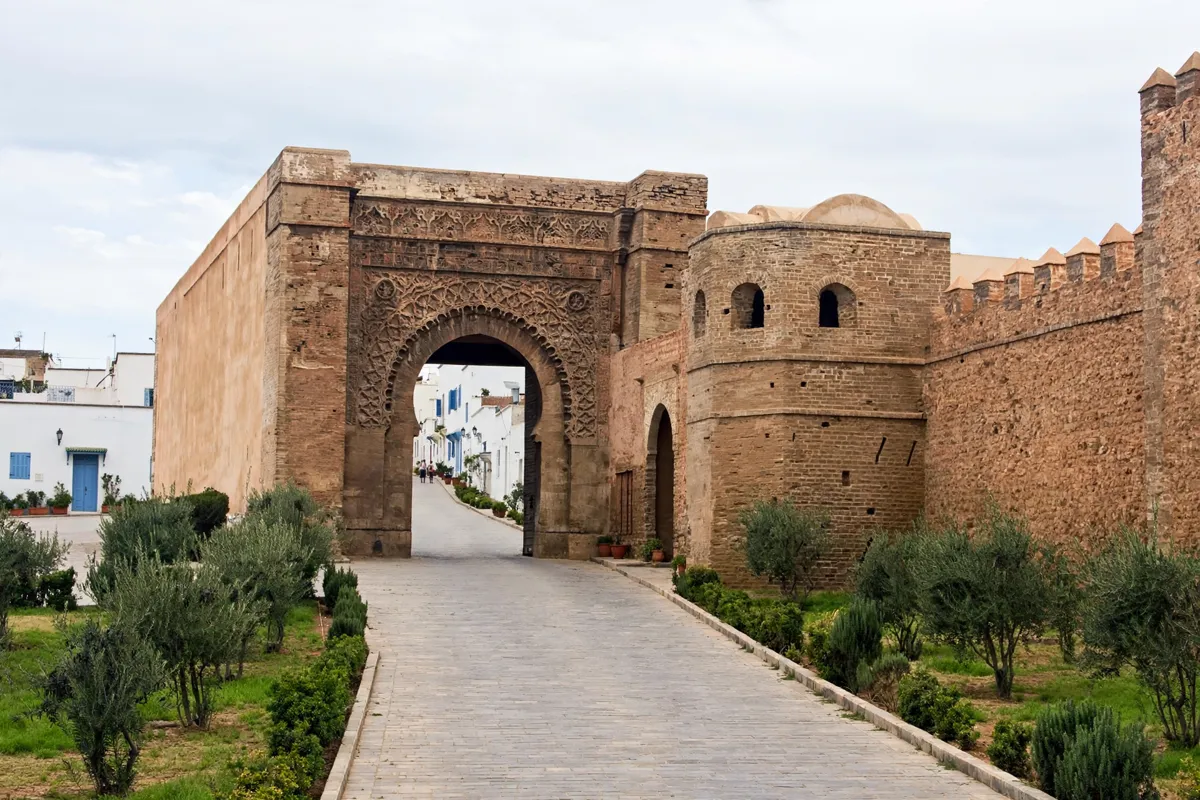
Enter the Kasbah of the Oudayas
The Kasbah of the Oudayas occupies the left bank of the Bouregreg near where the river meets the coast. The Almoravids initiated the fortress, and the Almohads rebuilt and developed it in the 11th century to help protect the kingdom from coastal attacks.
Its importance rose again in the 17th century, when Moriscos expelled from Andalusia arrived. The FNM says restoration began in 1609. Today, the historic lanes, garden, museum and Moorish café make up the main sights within the Kasbah. The museum stands at its western end.
From Az Hotel Rabat Centre, the museum is about an 18-minute walk; the hotel is a three-star hotel in central Rabat.
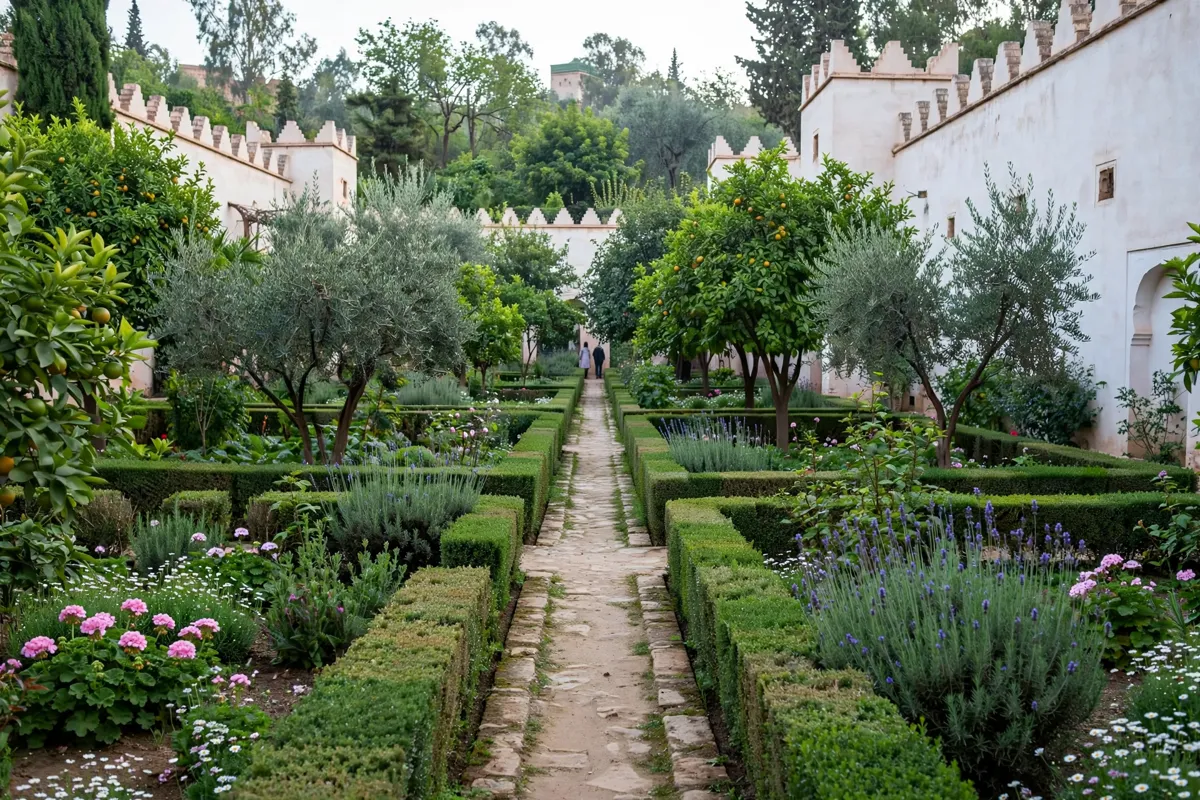
Walk through the Andalusian Gardens
The Kasbah’s Andalusian-style garden offers a change of pace from its lanes and overlooks. It sits within the historic quarter, so you can combine a garden visit with a walk through the Kasbah and a stop at the museum to the west.
For a wider walking route through the centre, the one-day Rabat itinerary from the centre connects the Kasbah with other city sights.
The garden is part of a larger visit rather than a separate destination: pair it with the Moorish café and the viewpoints toward the Bouregreg and coast. If you’re comparing coastal spots, a guide to Rabat’s beaches and coastal access covers the city’s beach options.
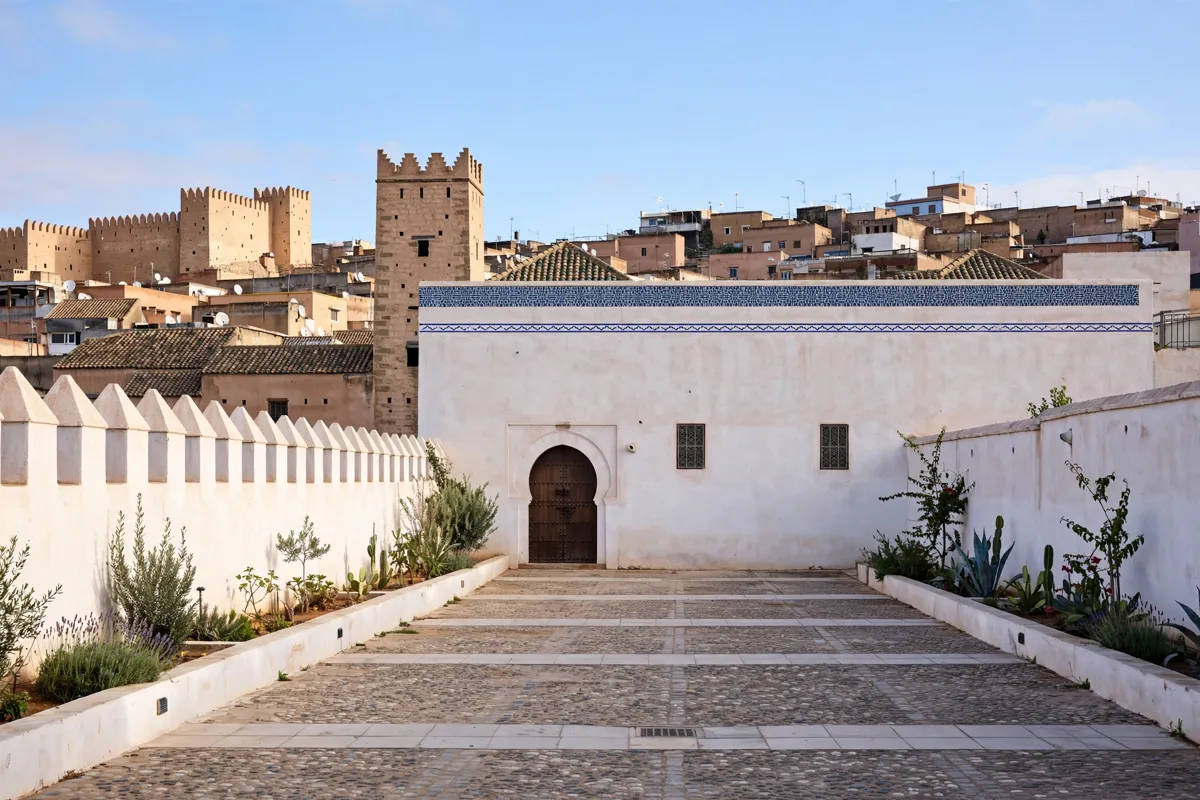
Visit the Musée des Oudayas
Oudayas, Musée National de la Parure, focuses on Moroccan adornment, with a permanent exhibition arranged in five independent sections. The FNM says the collection was supplemented with King Mohammed VI’s personal collection of Amazigh jewellery.
The museum occupies the western end of the Kasbah. Its exhibition gives the visit a specific focus on jewellery and adornment, while the surrounding lanes and garden provide outdoor stops before or after the galleries.
The museum opened on 9 January 2023 after renovation work on its building.
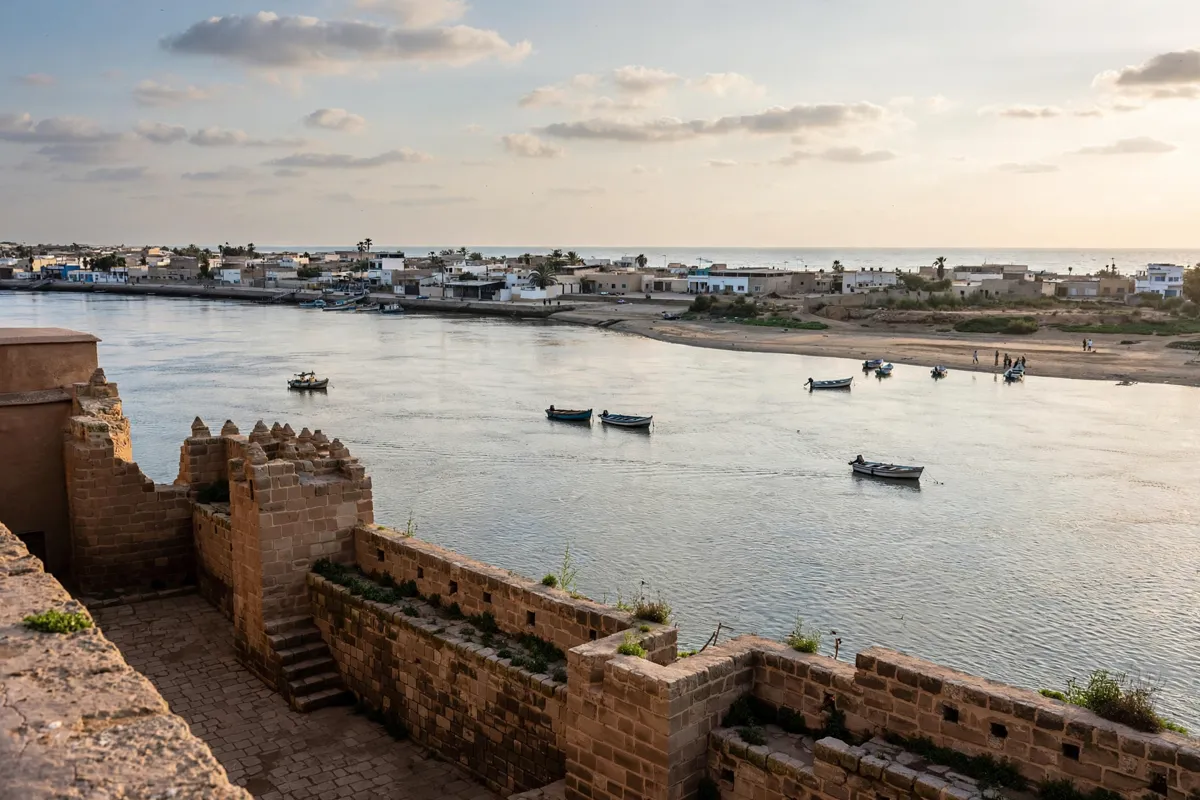
Find viewpoints over the Bouregreg and coast
The Café Maure terrace looks across the mouth of the Bouregreg, the Atlantic Ocean and the historic city of Salé, according to Visit Rabat. The setting makes the Kasbah a useful place to combine a museum visit with views over the water and coast.
For a separate walk through the old city, the Rabat Medina and Rue des Consuls guide covers its shopping streets and lanes.
Check museum and garden access
Visit Rabat gives the Kasbah’s daily hours as 9:00 a.m. to 8:00 p.m. The FNM gives the museum hours as 10:00–18:00, Monday through Sunday, while also stating that it is closed on Tuesday. Because the museum’s stated schedule includes a Tuesday closure, confirm access before setting out.
The FNM lists museum admission as 60 DH for foreign visitors, 30 DH for Moroccan adults and 15 DH for Moroccan visitors under 18. For current opening details and admission, check the official site before you go, using the FNM’s museum information.
FAQs
Where is the Kasbah of the Oudayas?
It is on the left bank of the Bouregreg River in Rabat, near the river mouth.
What can you see inside the Kasbah?
The Kasbah has historic lanes, an Andalusian-style garden, the Oudayas museum and a Moorish café. The museum is at the western end.
What is the Musée des Oudayas about?
Its permanent exhibition is devoted to Moroccan adornment and is divided into five independent sections, including Amazigh jewellery in the collection.
What views can you get from the Kasbah?
From the Café Maure terrace, views extend across the Bouregreg mouth, the Atlantic Ocean and the historic city of Salé.